Fire, Brick, and Reinvention: The Historic Third Ward's Third Century
Milwaukee's warehouse district burned flat in 1892 and rebuilt in brick; a century later it became the city's arts and dining quarter — and the template for every warehouse revival since.
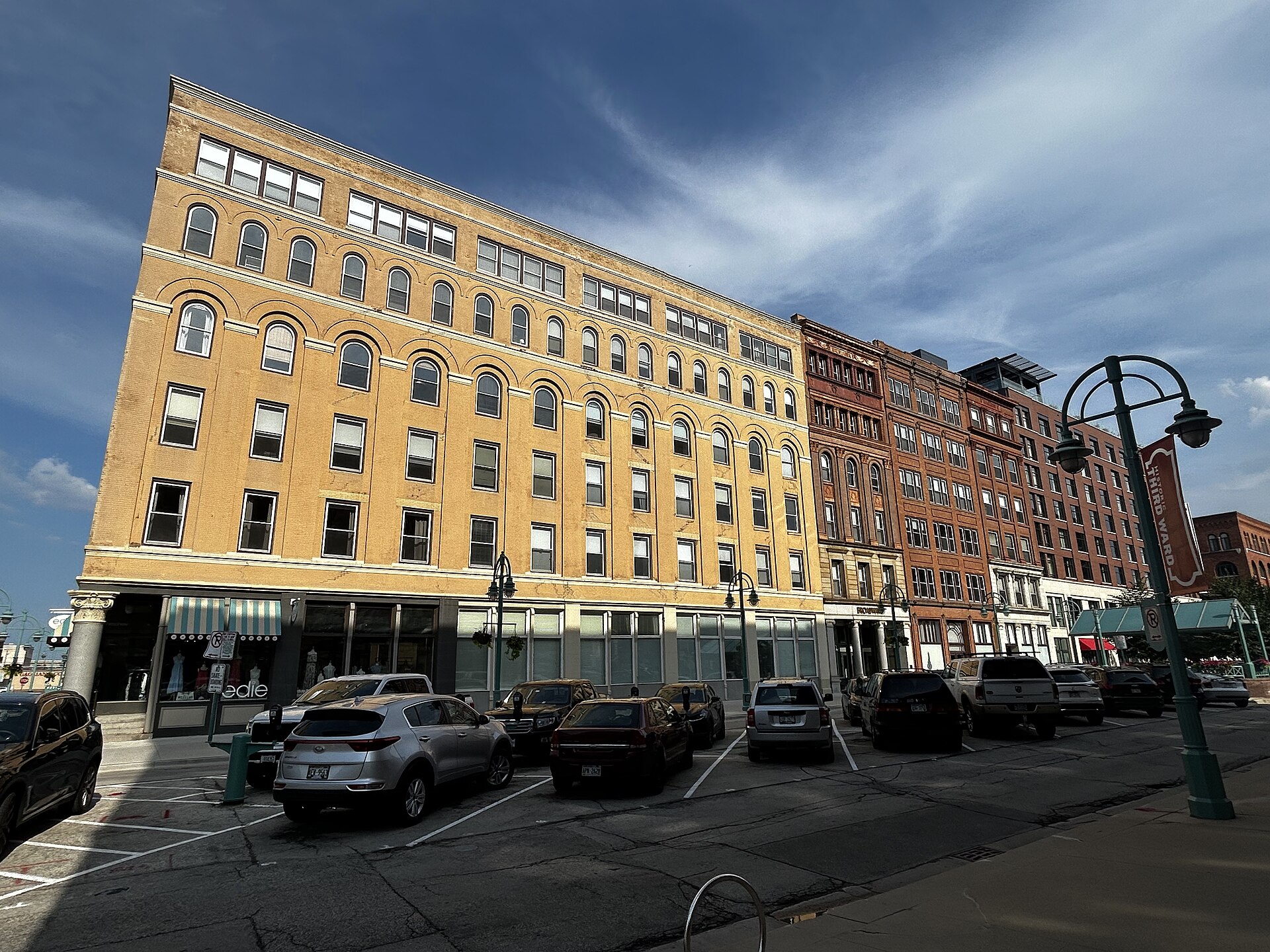
The Third Ward has been destroyed once and reborn twice, which is the right biography for the toughest six blocks in Milwaukee. The low triangle between the Milwaukee and Menomonee rivers was the city's wholesale warehouse district when the Great Third Ward Fire of 1892 leveled more than four hundred buildings in an afternoon; the merchants rebuilt in the cream brick that still defines the streetscape, much of it now on the National Register.
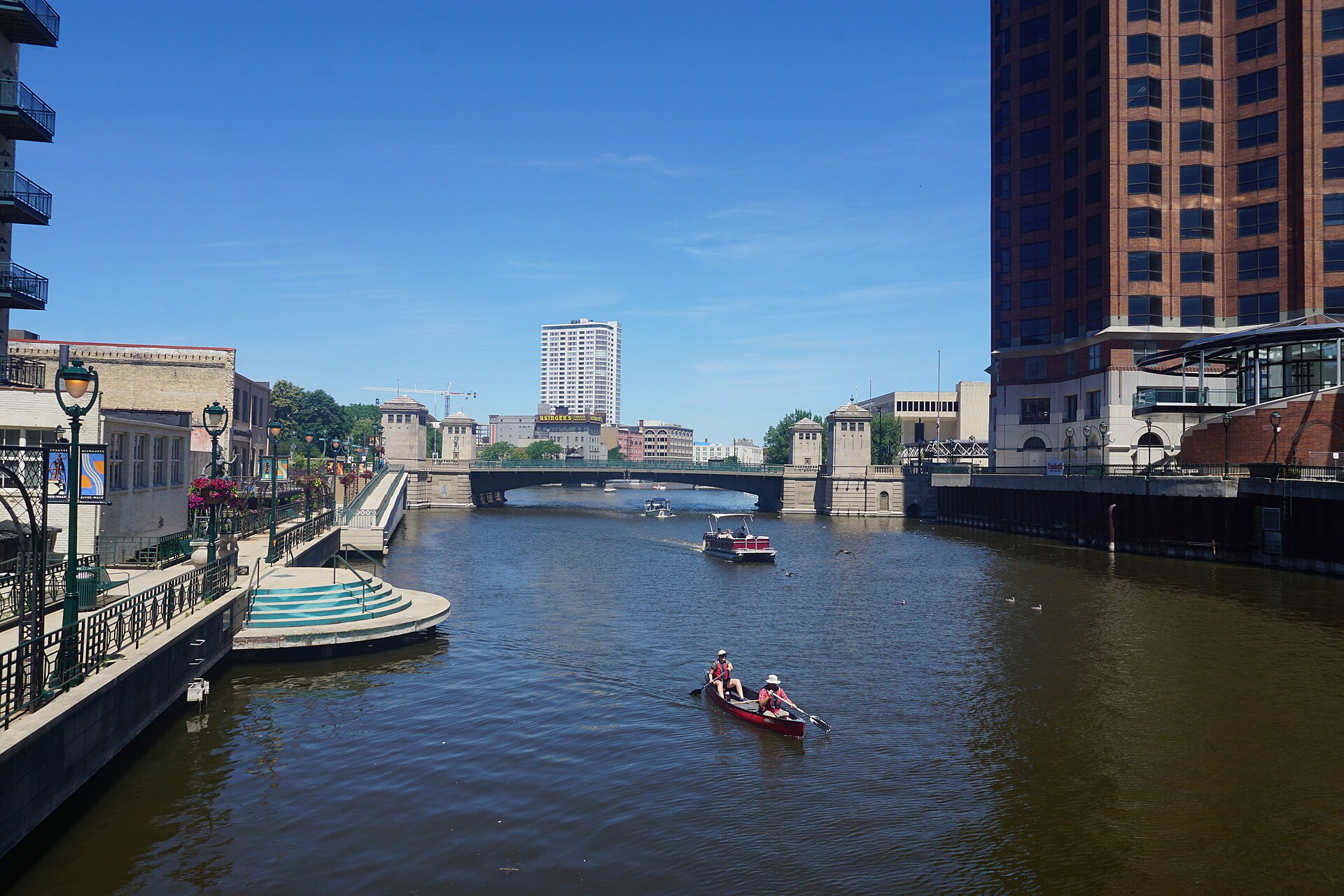
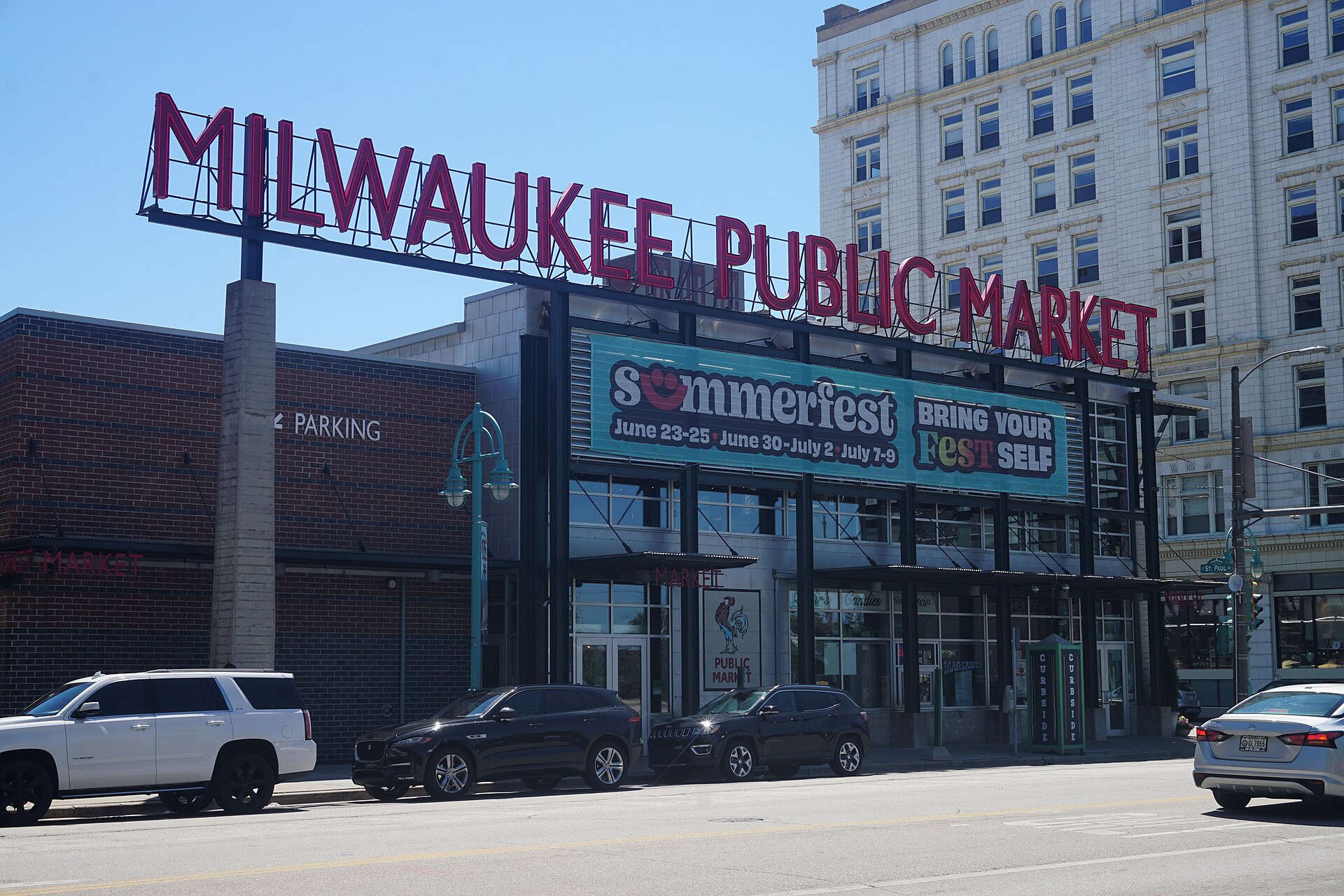
The second rebirth was slower. As wholesaling fled, the Ward emptied — then the artists arrived for the cheap lofts, the galleries followed, and the Milwaukee RiverWalk stitched the district back to downtown in the 1990s. Today the Ward holds the Milwaukee Institute of Art & Design, the Broadway Theatre Center, the Milwaukee Public Market, and a density of restaurants that makes it the city's default answer to 'where should we eat' — Broadway and St. Paul Avenue doing the honors most nights.
November in the Ward is gallery season: the fall shows hang, the theater calendar thickens, and the holiday lights go up on the old warehouses while the river runs black and cold past the patios. The district's retail argument is the one that keeps winning in American cities: history you can lease, brick you can photograph, and a river to walk it off along.
Every warehouse district in America claims this story now. The Ward can produce the fire certificates. It burned, it rebuilt in brick, and it out-waited the century — the most Milwaukee biography a neighborhood can have.