Three Miles of River, Reclaimed: The Milwaukee RiverWalk's Long Bet
Downtown's river was a working sewer of industry for a century. The RiverWalk — three miles of path, bridges, and Bronze Fonz — turned it into the city's front sidewalk, one segment of patience at a time.
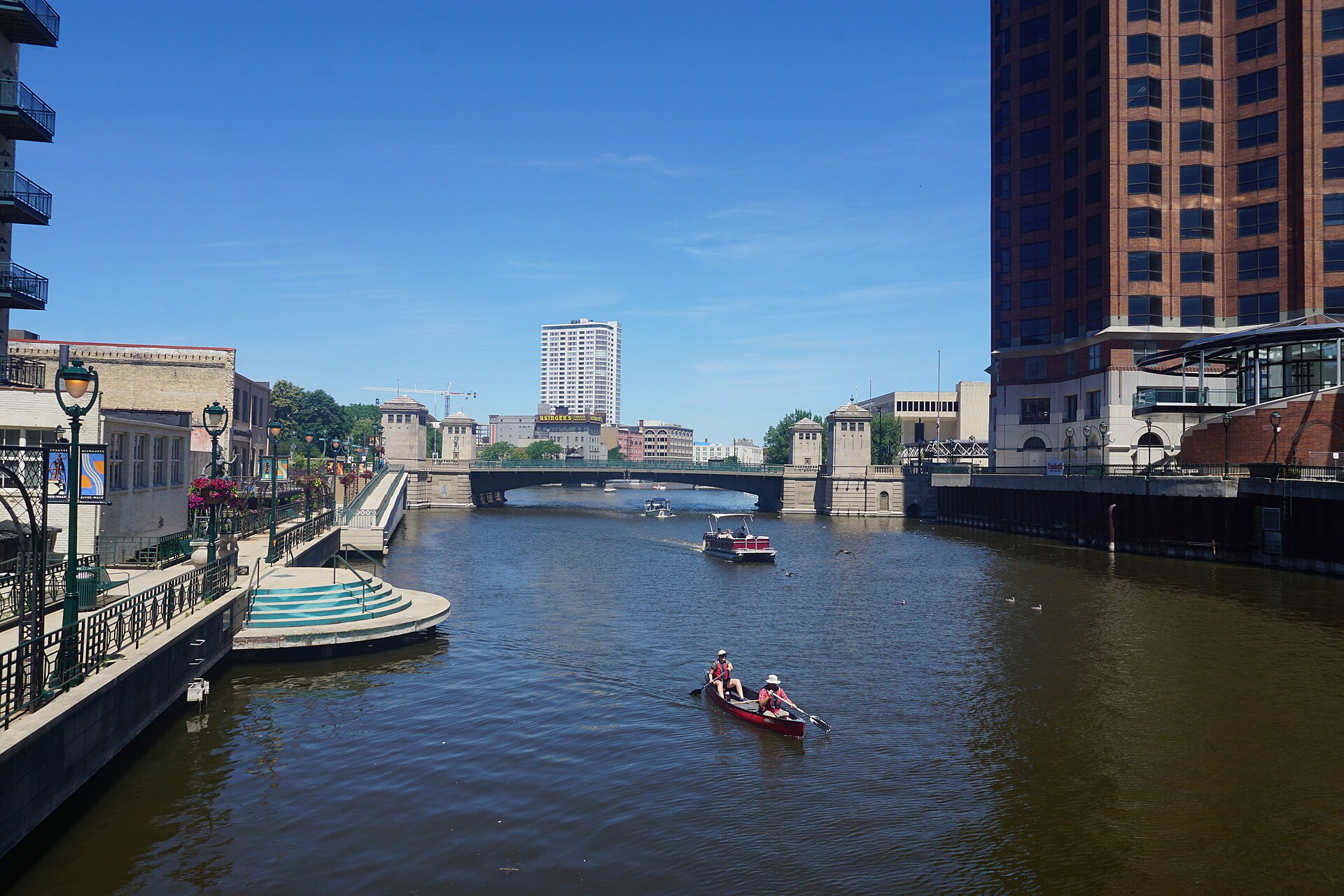
The Milwaukee River made the city — the fur trade, the tanneries, the breweries all drank from it — and the city repaid it by turning its downtown banks into industry's back door for a hundred years. The RiverWalk is the long apology and the better idea: a continuous pedestrian path of more than three miles along both banks through downtown and into the Third Ward, built segment by segment since the 1990s by a business improvement district that taxed the riverfront's owners to redeem it.
It worked the way good urbanism usually does — incrementally, then suddenly. Restaurants turned their faces to the water. Bridges got underpasses so walkers never climb to street level. Public art accumulated, most famously the Bronze Fonz, the Happy Days statue that has become, without asking anyone's permission, the city's most-photographed citizen. Boat tours and kayaks colonized the channel; the river that once carried tannery waste now carries wedding parties and water taxis.
November strips the RiverWalk to its essentials: the tour boats winterize, the patios stack their chairs, and the path belongs to runners, dog walkers, and the downtown residents for whom it is simply the sidewalk — with herons. The bridges, a working collection of lift and bascule spans, keep their own winter schedule of openings for the last barges and the tugs that tend them.
Rivers in old industrial cities are usually obituaries. Milwaukee's is a resume — proof that a waterway, given thirty years of patient money and a path at its edge, will rehire itself as the best room in town.