After the Bernie Slide Goes Dark: The Brewers' Winter of Arithmetic
American Family Field sits quiet under its great fan roof now, the Crew's season banked and the hot stove warming. In Milwaukee, the baseball offseason is a civic ritual all its own.
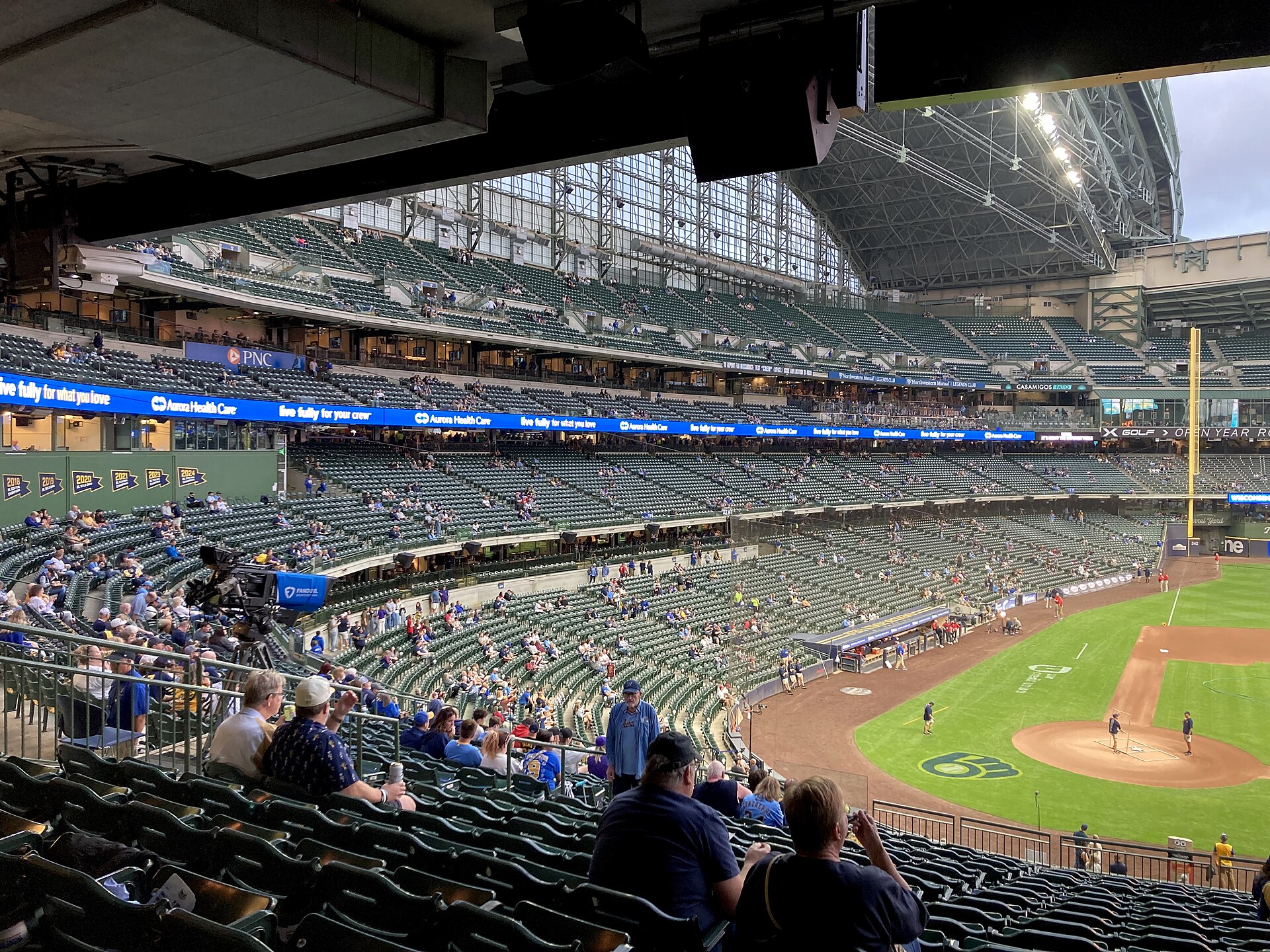
The roof is closed against the lake wind, the slide stands silent in left-center, and American Family Field has settled into its winter posture: a cathedral in the off-season. The Brewers — Milwaukee's team since 1970, when a bankrupt franchise was bought out of Seattle's ashes and brought home by Bud Selig — have given this city a half-century of baseball identity, and the winter is when the identity does its accounting.
The modern Brewers are a case study in small-market craft: division titles built on pitching development, defense, and trades that look clever in October, executed from an office that cannot simply buy its mistakes away. The winter meetings, the arbitration calendar, the Rule 5 draft — in Milwaukee these aren't abstractions; they're the mechanisms by which next summer's roster is visibly assembled, and the sports-talk lines grade every move like a public works project.
The ballpark itself remains the argument for patience: opened in 2001 with its signature fan-shaped retractable roof — built for exactly this climate, the only one of its kind in North America — it guarantees April baseball in a city where April is a rumor. Its long-term future was the state's great stadium debate of this decade, settled with a funding package that keeps the Crew in Milwaukee for a generation.
Spring training is a hundred days away, give or take, and Milwaukee will count them the way it always has: arguing the rotation, missing the sound of the place, and believing — on the evidence of fifty-five seasons — that this could, in fact, be the year.